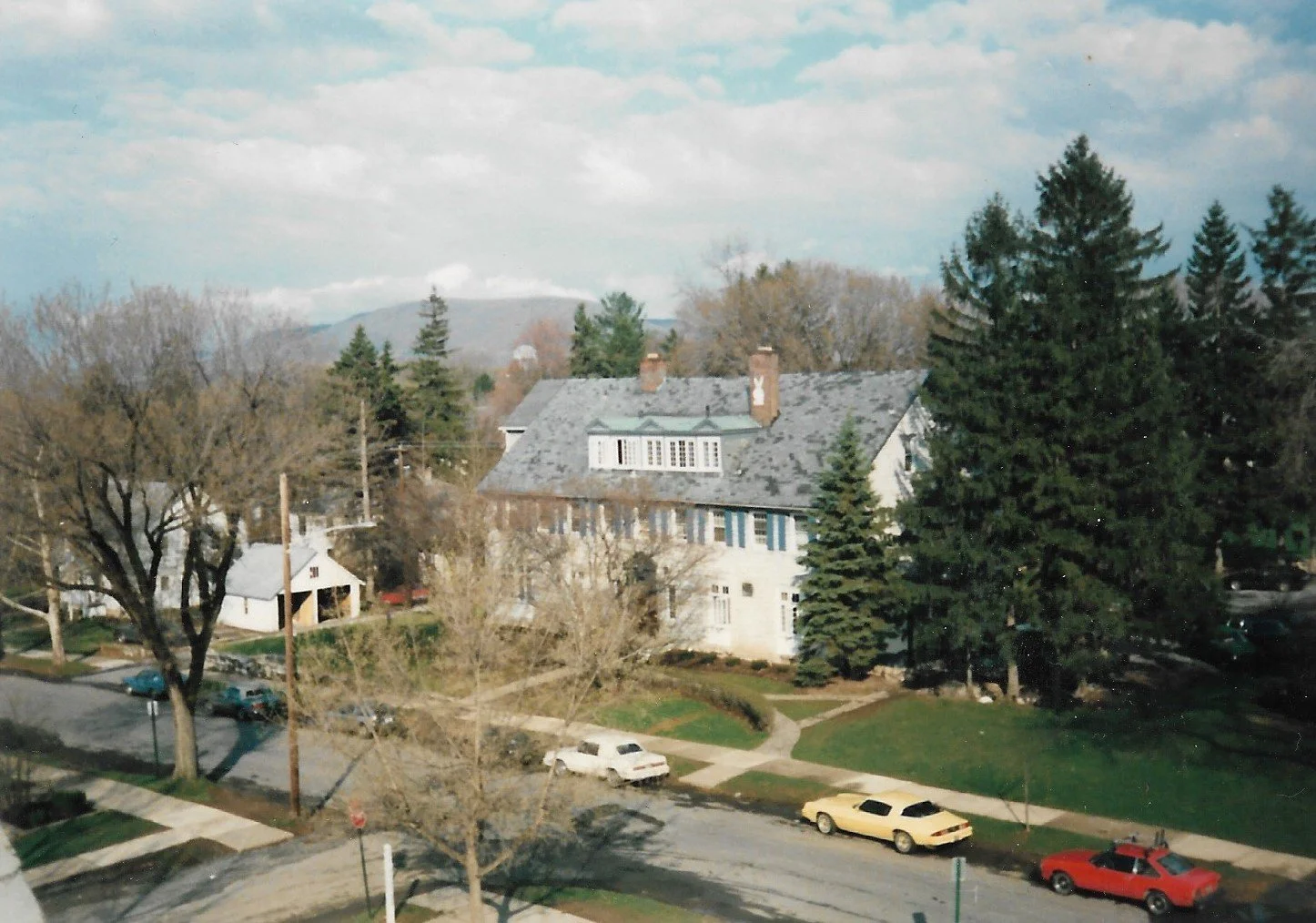
Heritage & Traditions
Since 1926, the men of Beta Gamma have lived by one motto: Give, Expecting Nothing Thereof. Our chapter is built on faith, brotherhood, and service, and on a few traditions that only make sense once you’ve lived at 338 East Fairmount. This page covers the stories every brother should know: why 33 is everywhere, what’s hidden in our crest, and the traditions that tie a hundred years of Phi Who men together.
The Significance of 33
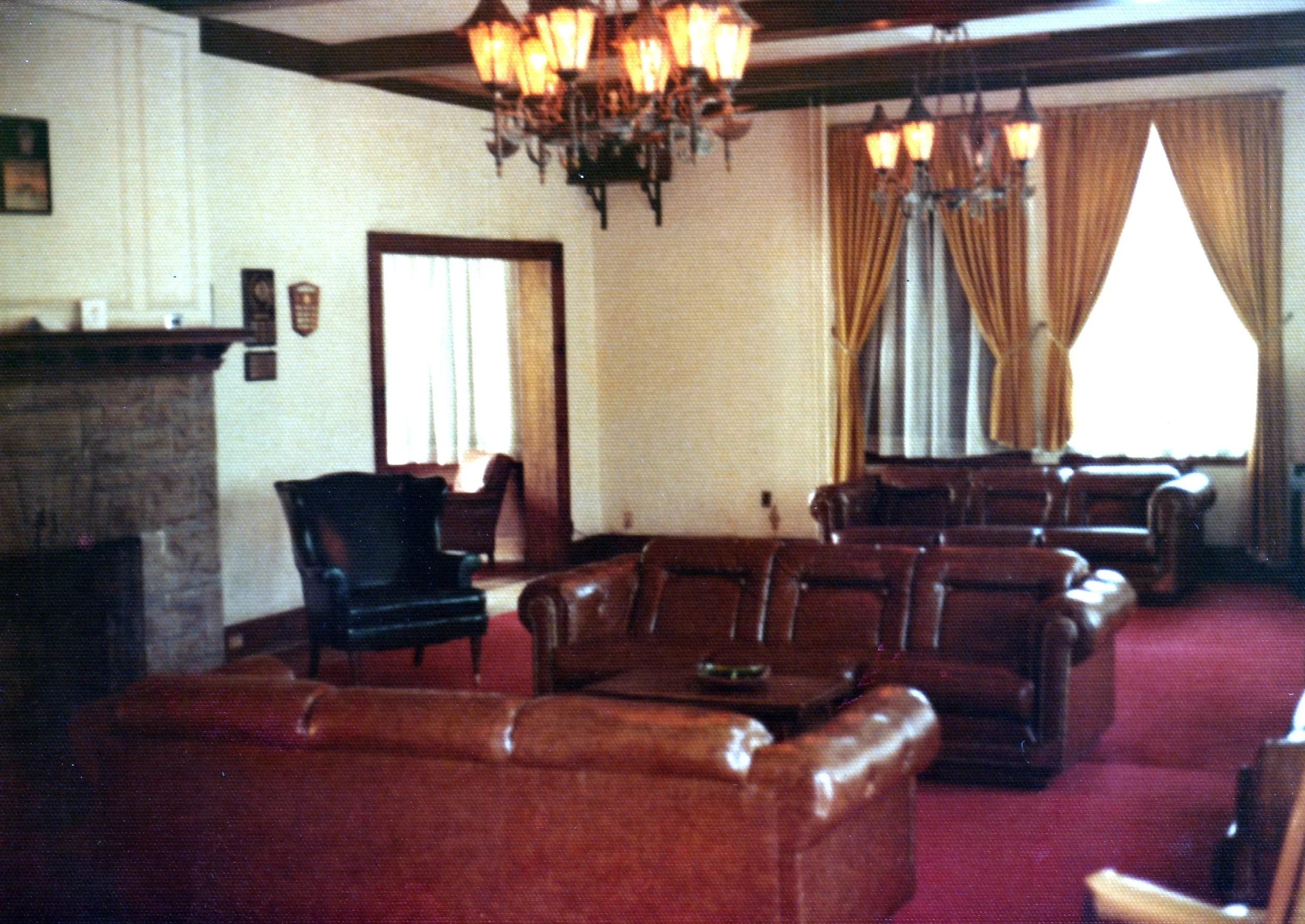
Phi Kappa Theta has always been fraternity #33 at Penn State, as designated by the Fraternity Purchasing Association, the Nittany Co-op and Hickey’s. A plate reading “Phi Kappa Theta 33” once hung above the kitchen’s outside door to help with deliveries. From about 1969 until the charter was lost in 1992, the number ran through everything at 338 East Fairmount. Since the Phi Who Renaissance, it does again. Every brother should be able to rattle these off:
Christ died on the cross at age 33, and Phi Kappa Theta was founded as a Catholic fraternity.
Prohibition ended in 1933.
Gene Kelly, the famed dancer and actor, joined at 338 East Fairmount before transferring to Pitt, where he graduated in 1933. He cut his chin chipping stone for the stone structures by the back doors.
Our address, 338: two 3s, and the 8 is just two 3s mirroring each other.
Rolling Rock, sold by the case at the Rathskeller, was kept at 33°F. “Rolling Rock” appears three times on the bottle for 33 letters, and the slogan on the back ran 33 words.
Rock O’Clock: in the 1970s and ‘80s, a broken clock in the Living Room was set to 3:33.
The Phi Who Beach Party Chair had 33 boards.
The 33s on Our Crest
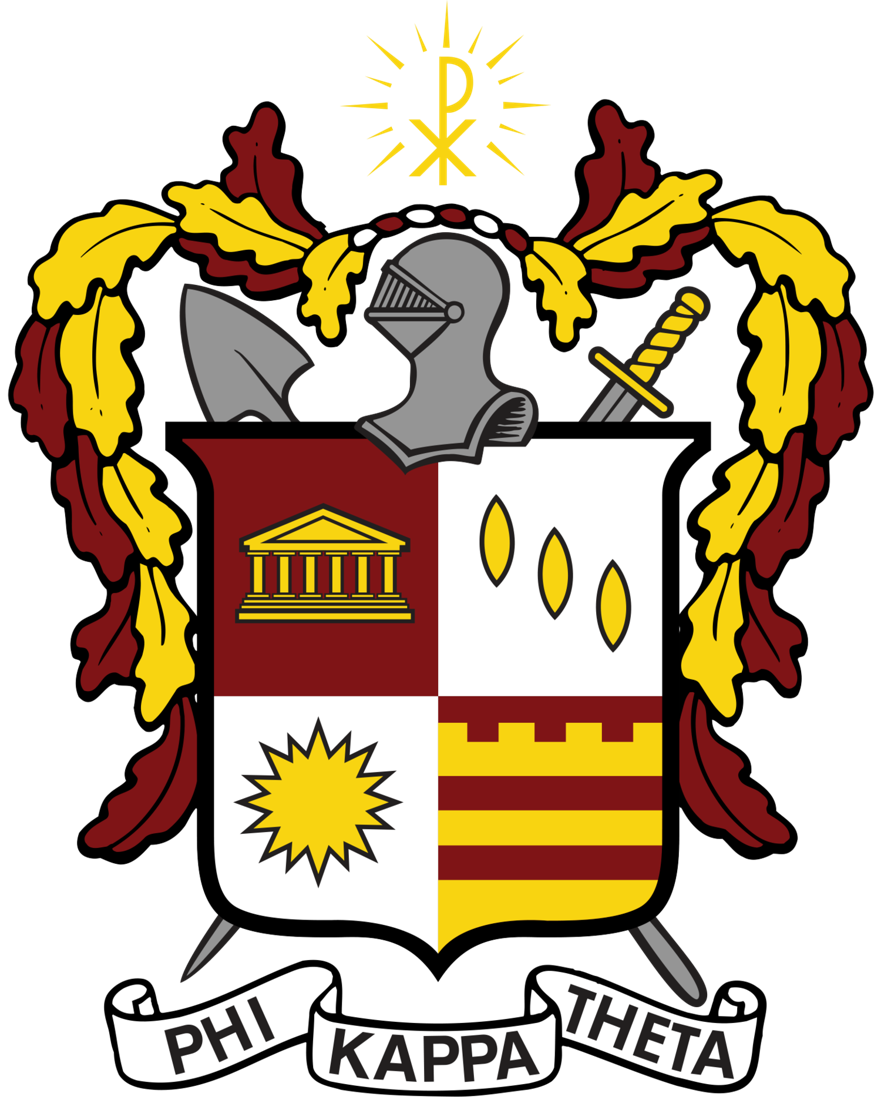
Hold the crest up and count carefully. The number wasn’t added in a redesign. It has been woven into Phi Kappa Theta’s crest for a century, visible to anyone who knows where to look.
The Colonnade (upper left): three columns on the left, three on the right. Thirty-three.
The Teardrops (upper right): three yellow football-shaped drops, each outlined with three black borders. Thirty-three.
The Ramparts (lower right): three yellow stripes and three red stripes. Thirty-three.
If an alum from before 1992 visits the house, expect a quiz. Know the numbers, know the crest, know the story.
Our Traditions
Some traditions are written down. Others are passed from brother to brother, class to class. A few every Beta Gamma man knows:
“Phi Who.” Every brother eventually learns how Phi Who became our nickname. It’s one of the oldest Beta Gamma stories, and the kind you only understand once you’re inside.
The Gentleman’s Code. Twelve commandments every associate member learns in orientation and holds for life. A gentleman is judged by his daily conduct, not his loudest moment.
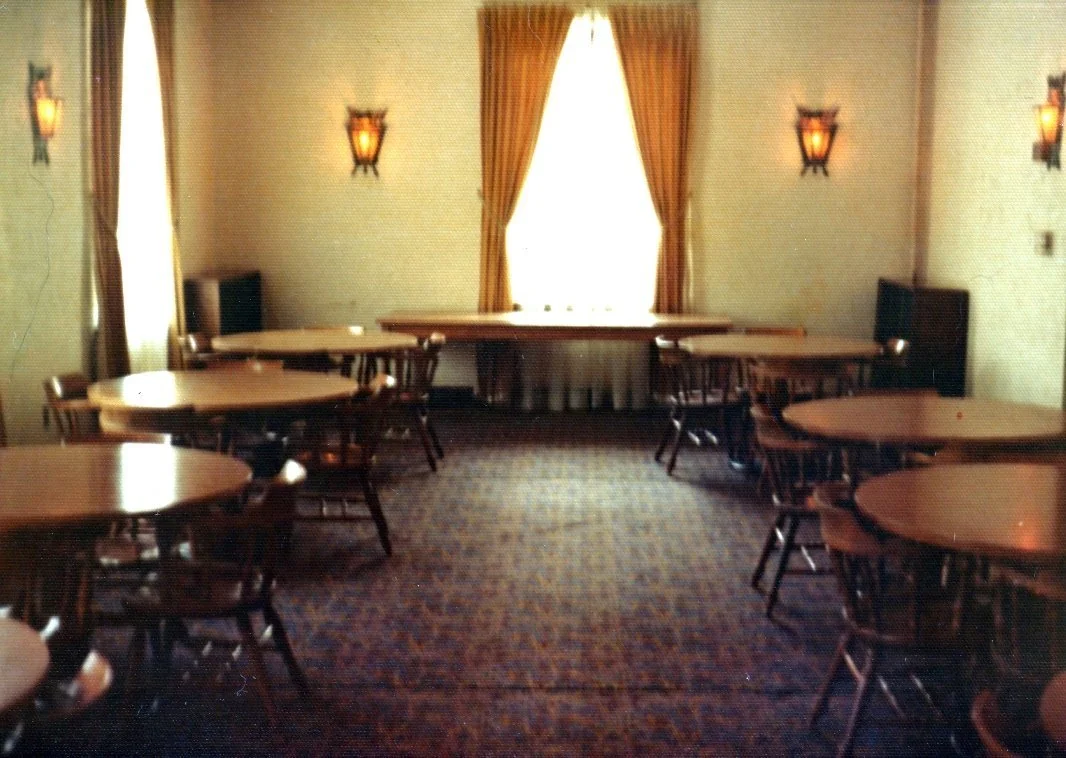
The Phi Who Beach Party. In the 1970s and ‘80s, tons of sand were hauled into the downstairs party room for the house’s signature party.
The chapter year. Initiation each semester, Formal, THON, Greek Sing and Greek Week, and Quo Vadis, our senior send-off.
Alumni ties. The Beta Gamma Statesman newsletter, monthly calls between alumni and house officers, Homecoming, and Blue & White Weekend.
Tradition is what survives when the brothers who made it are gone. Our job is to carry it.
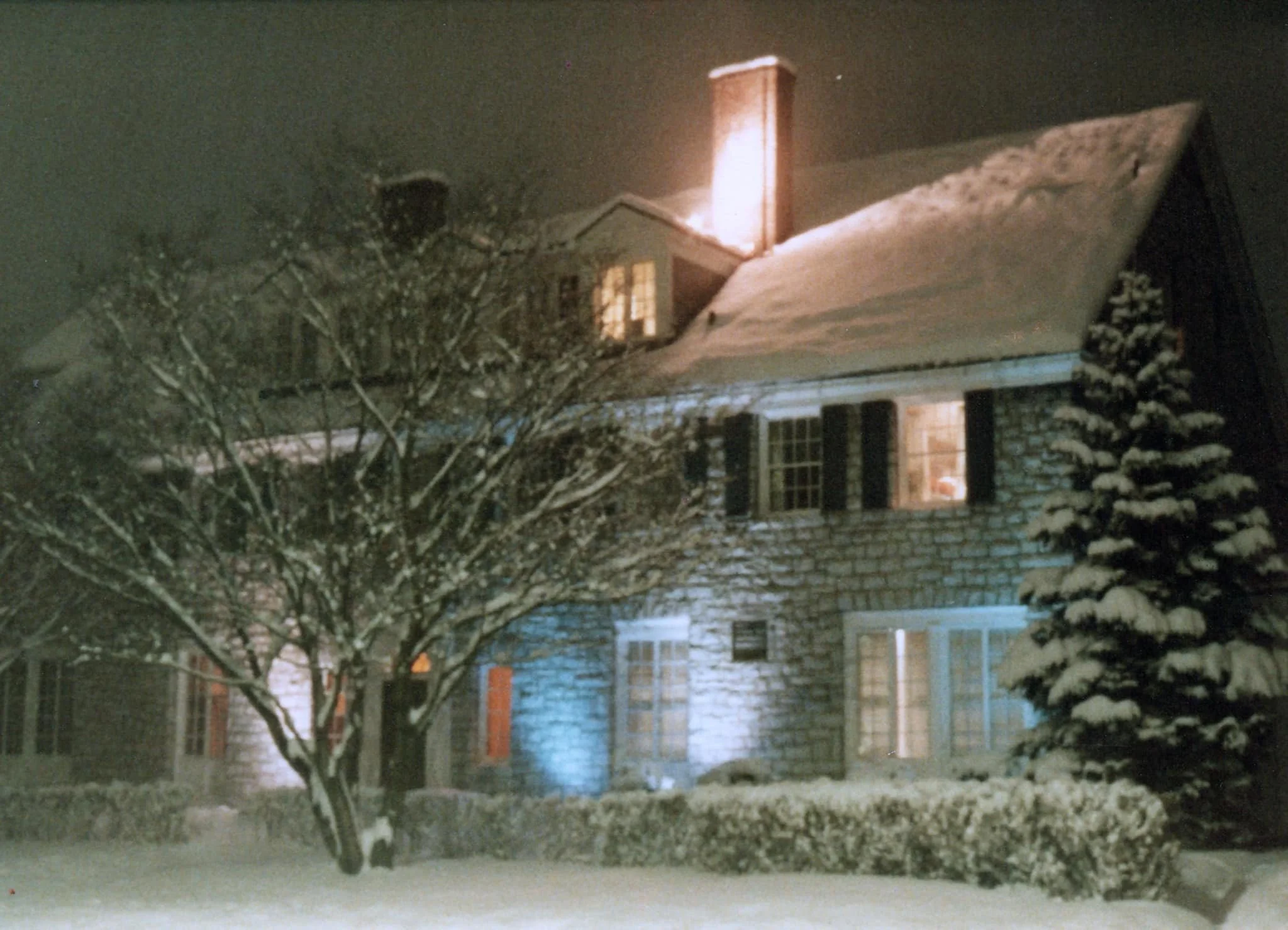
The Centennial
One hundred years of Beta Gamma, 1926 to 2026. Our chapter has survived boom times, lean times, and a charter loss in 1992 that could have ended us. It didn’t. Alumni kept the name alive, rebuilt the chapter, and handed it back to the undergraduates. The Centennial is their victory as much as ours.
We mark it every spring at Blue & White Weekend, and we carry it forward the same way the brothers before us did: show up, learn the history, and leave something behind for the next class.